DCI Principal Investigators
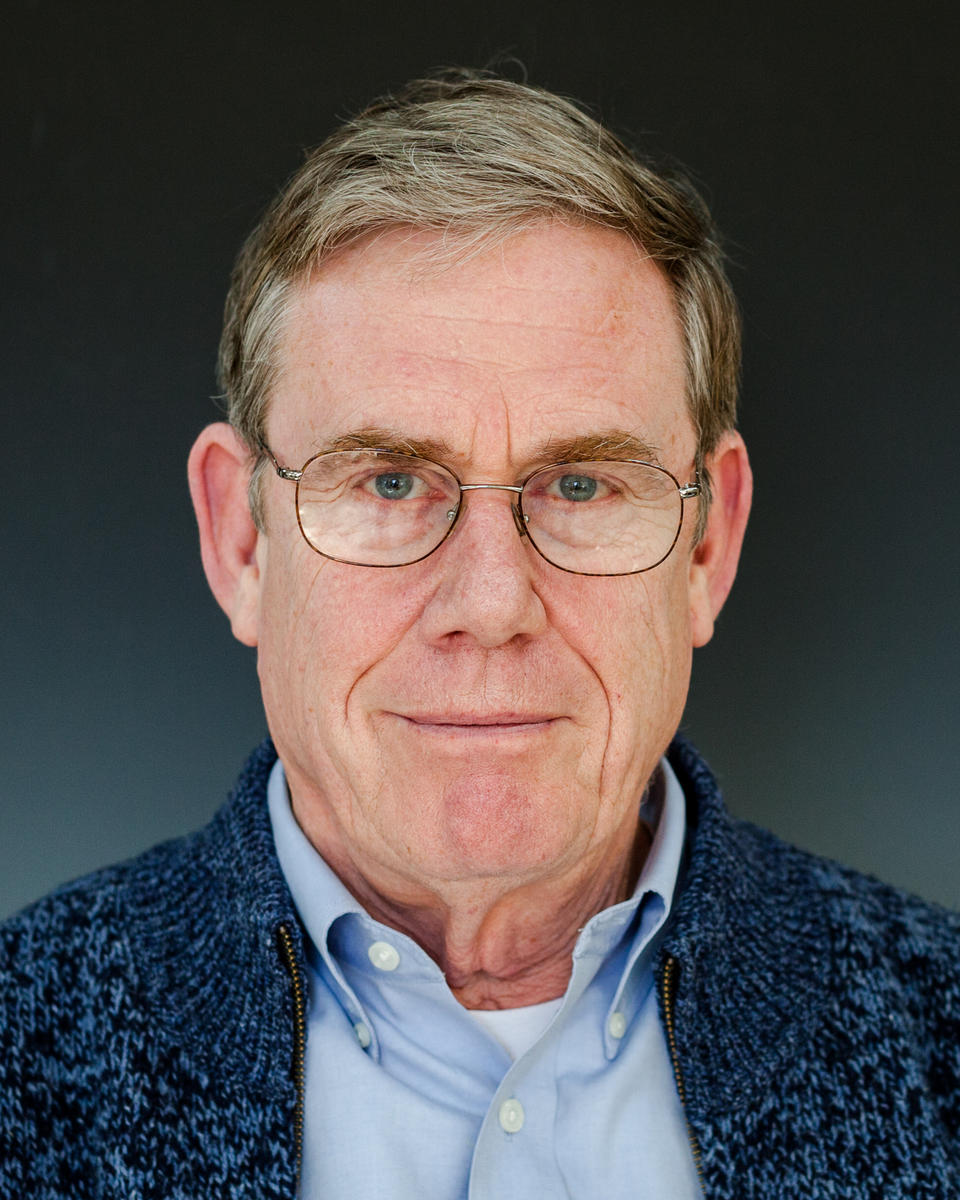
Peter Bol
Charles H. Carswell Professor of East Asian Languages and Civilizations
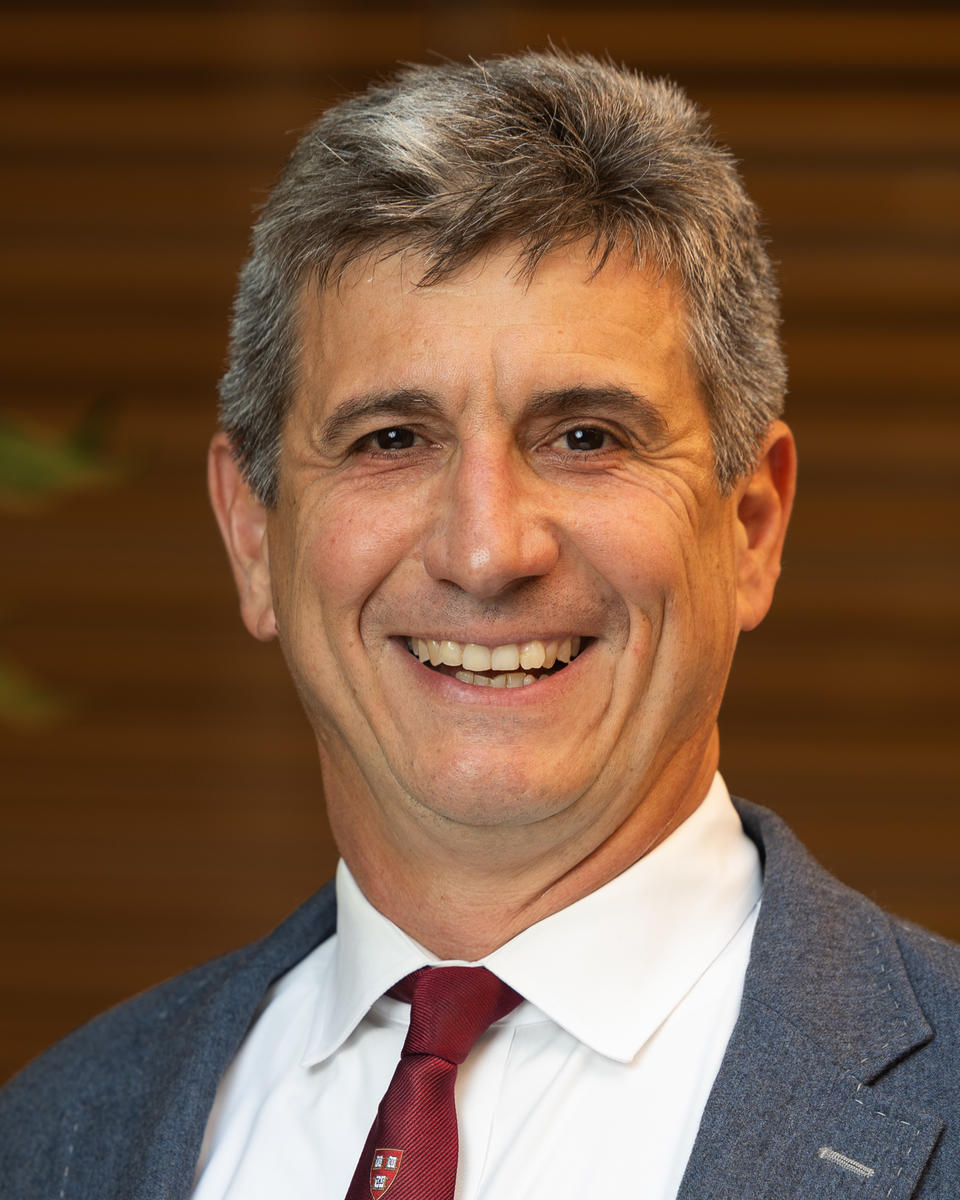
Michael Szonyi
Frank Wen-hsiung Wu Professor of Chinese History
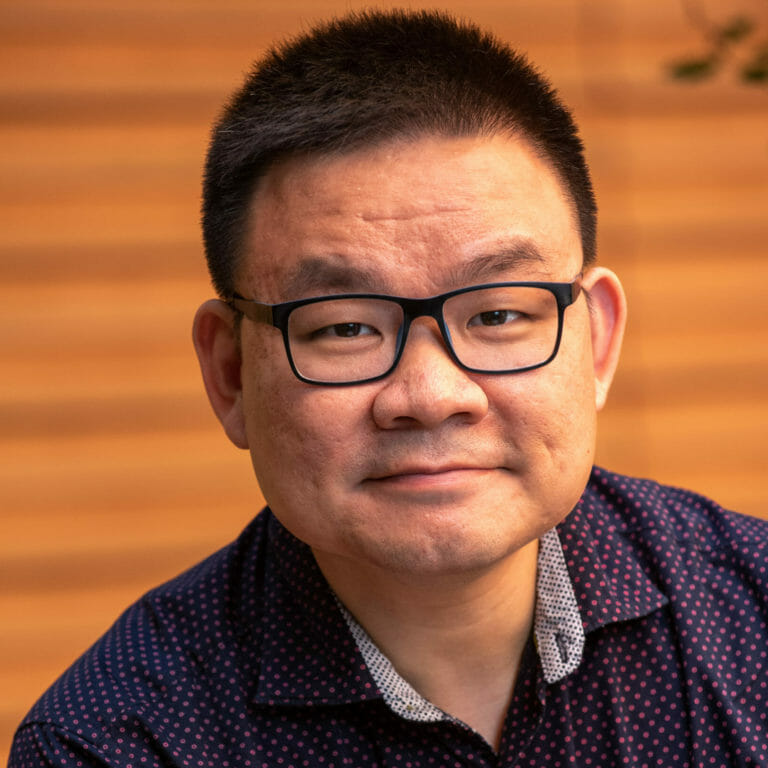



Kwok-leong Tang serves as the Managing Director of the Digital China Initiative and a lecturer in the Department of East Asian Languages and Civilizations at Harvard University. By training, he is a historian. He received his bachelor's and master's degrees in history from the Chinese University of Hong Kong and a Ph.D. in history and Asian Studies from Pennsylvania State University. In recent years, he has focused on exploring the potential of new technologies in humanities research. He has organized and instructed workshops on adopting GenAI in Chinese studies and humanities research at Harvard and other institutions.
Kevin Lin is a Software Engineer at DCI and DARTH. He holds an MS in Computer Science from Northeastern University and a BS in Electrical Engineering from Penn State University.
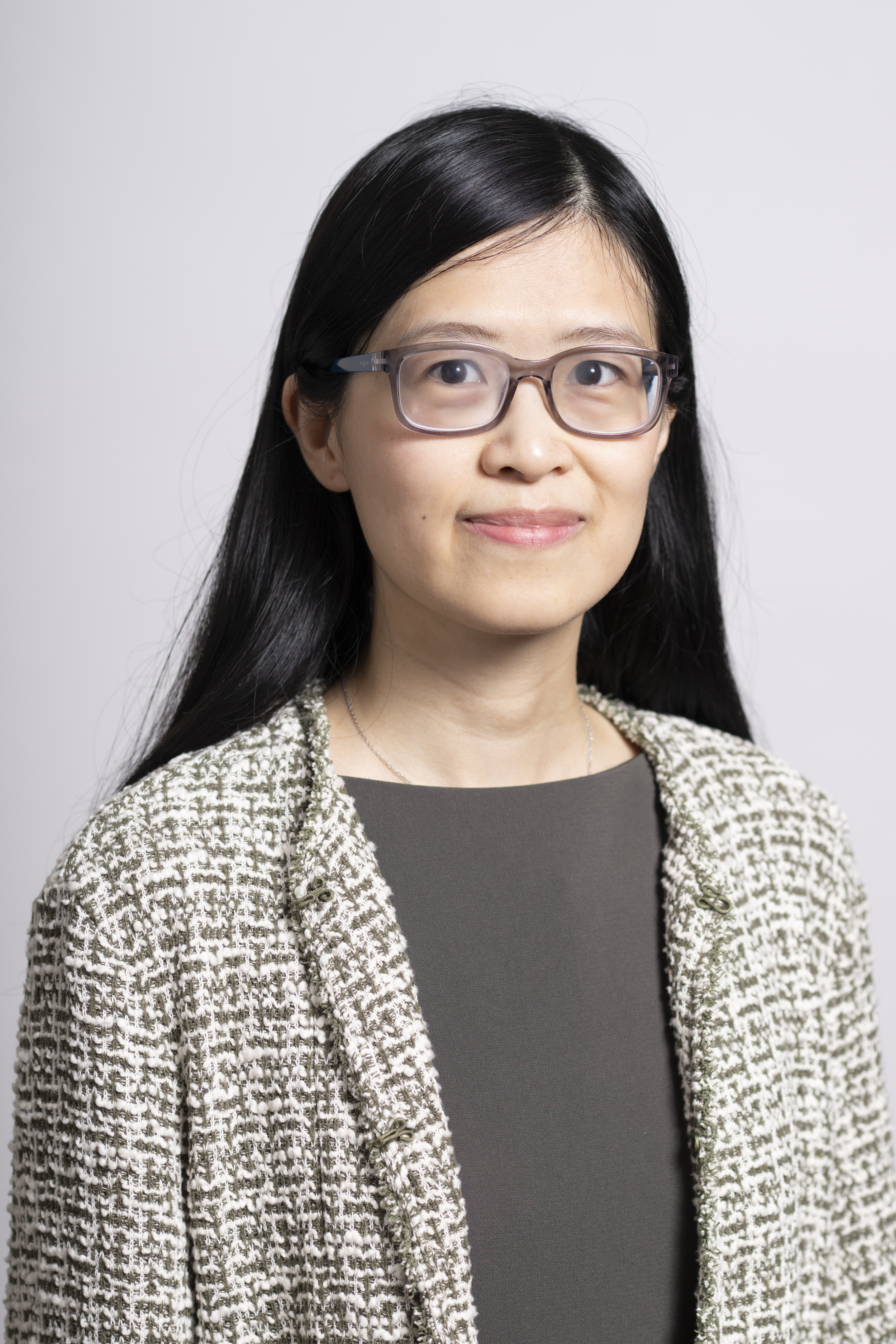
Yitian Li's research interests focus on the intellectual and cultural history of Middle Period and Early Modern China. Her dissertation explores how the notion of statecraft was reimagined through changing ideas about what knowledge matters for good governance in response to shifts in state power and the dynamics of local society. She is also interested in using natural language processing to identify less visible structural patterns in the world of knowledge to help situate ideas in a broader intellectual context.
Wenxin Xiao is a Ph.D. student in History and East Asian Languages and Civilizations at Harvard. Her research focuses on the social and cultural history of late imperial China. She received an M.A. in RSEA from Harvard and a bachelor's degree in history and data science from the University of Wisconsin-Madison.
Axl Cheng is a PhD student in History and East Asian Languages and Civilizations at Harvard. She holds an MA in Middle Eastern Studies from Harvard and a BA in Middle Eastern and Islamic Studies and Computer Science from NYU.
Queenie Luo graduated summa cum laude from Columbia University with a B.A. in Religion and Physics in 2018, completed her M.T.S. in Buddhist Studies at Harvard Divinity School in 2020, and her M.S. degree in Data Science at Harvard John A. Paulson School of Engineering and Applied Sciences in 2023. Her dissertation applies the latest computational techniques in Generative AI, Natural Language Processing (NLP), Computer Vision (CV), and Reinforcement Learning (RL) to study Chinese history during the Warring States period. Queenie also works with faculty in computer science, statistics, and social science on large language models, focusing on fairness, ethics, and social implications.